
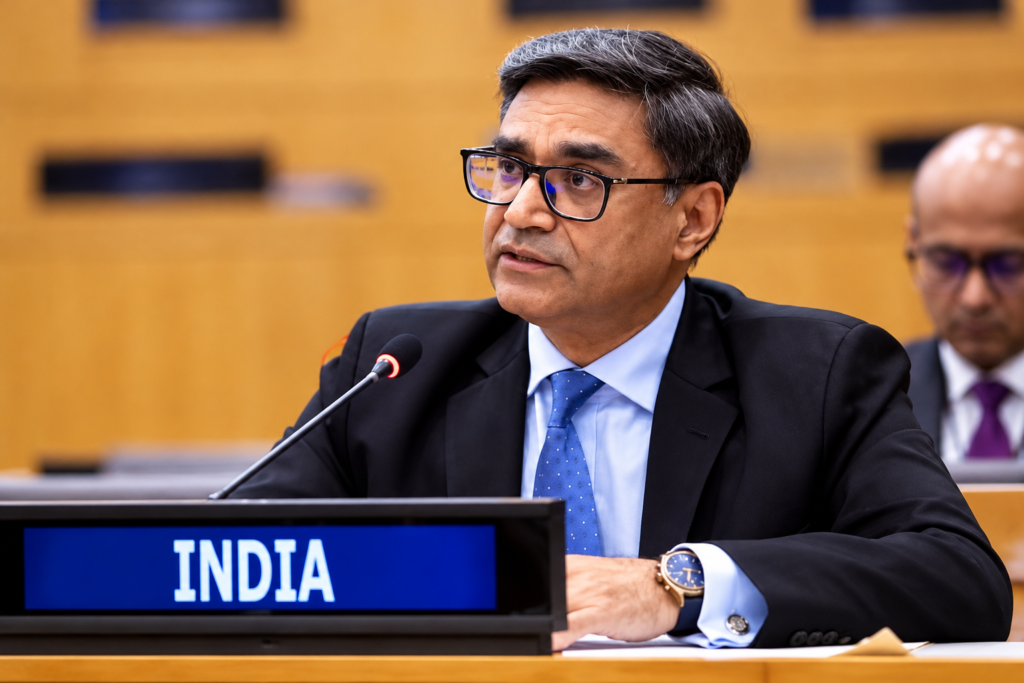
Indian Foreign Secretary Vikram Misri is flying into Kathmandu on 4 November. The new Indian Ambassador, Sudhakar Dalela, gets there a day earlier, on the 3rd, to start his job. Both are going because the two countries are finally sorting out the details for Nepali Prime Minister Balendra Shah’s trip to India.
If things stay on track, Shah — most people still call him Balen — should reach New Delhi around 22 November. It would be his first proper bilateral visit as prime minister. His government is only about seven months old. Since taking over in March after those big Gen-Z protests last September that pushed out KP Sharma Oli, he has kept his head down and focused on problems at home.
Shah’s party, the Rastriya Swatantra Party, came in with a strong mandate and he made it clear early on that foreign trips and ambassador meetings could wait. That is why Misri’s earlier plan to visit in May never happened. Now the mood has changed. A senior official in Nepal’s foreign ministry has confirmed that Misri will sit down with the Nepali side and go through the possible agenda for the prime minister’s India visit. Modi had already invited him, so a lot of the groundwork is already done.
The timing feels right. The big festival season — Dashain, Tihar, Chhath — is over. The calendar is clearer. At the same time the government is still dealing with the damage from those heavy floods along the Bhote Koshi River. A lot of families were hit hard, and some Indian nationals are still missing. Misri’s talks are expected to include how India can help with the recovery.
People who watch the relationship say this visit also gives New Delhi a chance to get a better feel of the new team in Kathmandu. Shah’s party is still relatively new at the national level. Finance Minister Swarnim Wagle and Home Minister Sudan Gurung have been talking more openly about working with India on power, roads, trade and the usual list of things that keep coming up. Hydropower deals, better rail and road links, smoother movement of people and goods — none of it is brand new, but a fresh government often puts fresh energy into old files.
Having Dalela in place as the new ambassador just before Misri arrives is useful. In India-Nepal relations a lot of the real work happens at the embassy level, so continuity matters.
Of course nothing is locked in until it is announced. Schedules slip. Something can crop up at home on either side. But the fact that Misri is making the trip and that a date around 22 November is being talked about seriously shows both sides have moved past the earlier hesitation.
For most people living along the border the relationship is never about big summits. It is about jobs, remittances, medical treatment in Indian hospitals, and the daily traffic of trucks and buses. A smooth high-level visit usually makes those everyday links a little easier. If Shah’s trip produces even a few practical outcomes — more power trade, clearer flood assistance, or better connectivity projects — it will be felt far beyond the meeting rooms.
Misri has been to Nepal before, including last year under the previous government. This time the political picture is different. The new leadership spent months proving it could handle domestic pressures. Now it seems ready to engage more openly with its southern neighbour. India, for its part, kept the invitation open and is sending its top diplomat to close the remaining gaps.
Whether the visit happens exactly on 22 November or a few days later is less important than the fact that the process is finally moving. After months of looking inward, Nepal’s new government is taking its first major step outward — and India is meeting it halfway.
Sources:
The Hindu, 29-30 October 2026
The Kathmandu Post, 29 October 2026
Nepali and Indian diplomatic sources quoted in the above reports
@Rohit Manral